How Integrated Payment Tools in Mobile Gaming Apps Flag Potential Overplay Patterns Before They Escalate
Paul Hartmann · Oct 27, 2026
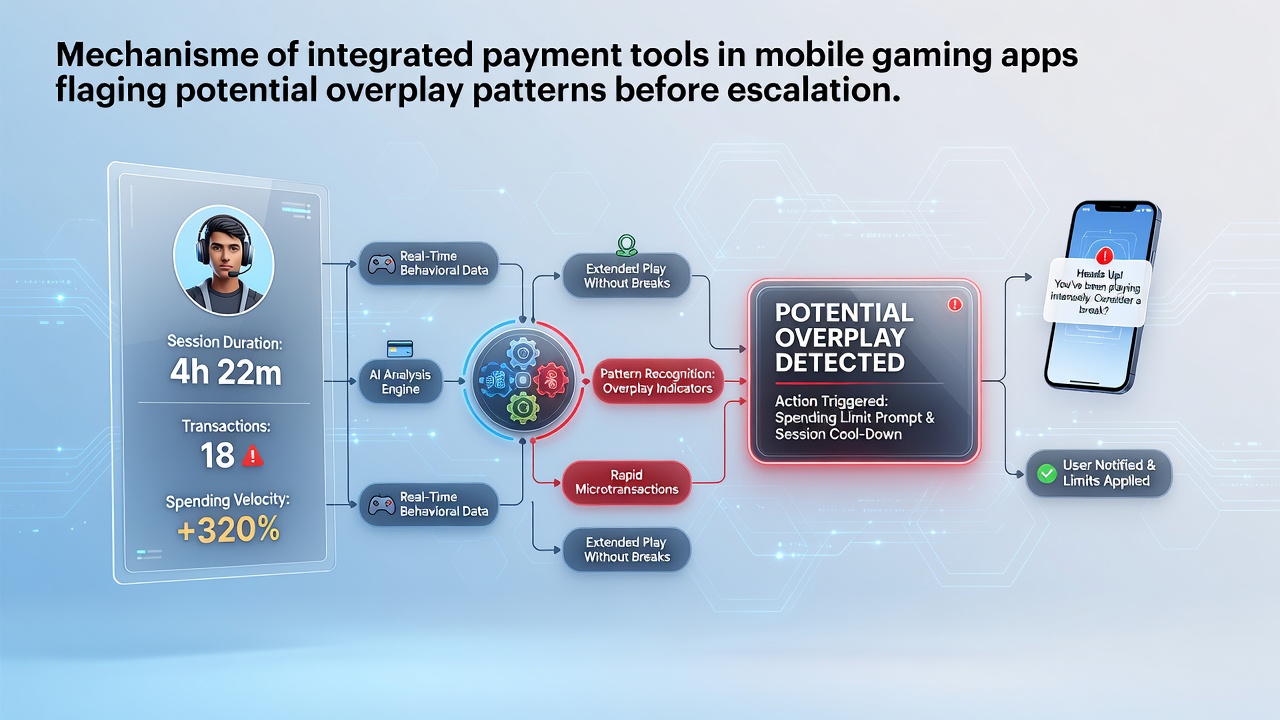
How Integrated Payment Tools in Mobile Gaming Apps Flag Potential Overplay Patterns Before They Escalate
Payment systems inside mobile gaming applications now track spending velocity and session frequency through layered algorithms that compare individual behavior against broader user datasets, and these mechanisms activate alerts or temporary holds when patterns deviate from established norms. Data from transaction logs feeds directly into risk models that operators maintain, and the process relies on real-time processing rather than post-session reviews.
Core Mechanisms Behind Pattern Detection
Integrated payment tools combine deposit limits, withdrawal histories, and in-app purchase records to build user profiles that update continuously, while machine learning components identify clusters of rapid successive transactions or unusual timing between plays. Researchers at institutions such as the University of Nevada, Reno have documented how these systems apply velocity thresholds that trigger when deposits exceed a calculated percentage of prior averages within defined windows. Operators then receive notifications that allow staff to initiate contact or enforce cooling-off periods before further activity occurs.
Payment processors also incorporate geolocation data and device fingerprints to cross-reference multiple accounts that might share funding sources, and this step helps surface coordinated play across profiles that single-account monitoring might miss. Figures from the Nevada Gaming Control Board show increased adoption of such cross-verification protocols among licensed mobile platforms operating in the state.
Data Inputs and Analytical Layers
Transaction metadata includes amount, frequency, payment method type, and failure rates, all of which feed into scoring engines that assign risk levels in real time. When scores rise above operator-defined thresholds, the system can prompt users with spending summaries or require acknowledgment before additional deposits process. Studies conducted by the Australian Institute of Family Studies indicate that early intervention at this stage correlates with reduced escalation rates in tracked cohorts over multi-month observation periods.
Examples from Operational Deployments
One major platform serving markets in North America and Europe implemented a layered alert system that paused accounts showing three consecutive deposits above historical norms within a 24-hour span, and subsequent analysis revealed a measurable drop in sustained high-frequency sessions among affected users. Similar programs in Canadian provinces have tied payment monitoring directly to provincial self-exclusion registries, allowing automatic cross-checks that block transactions from flagged individuals.
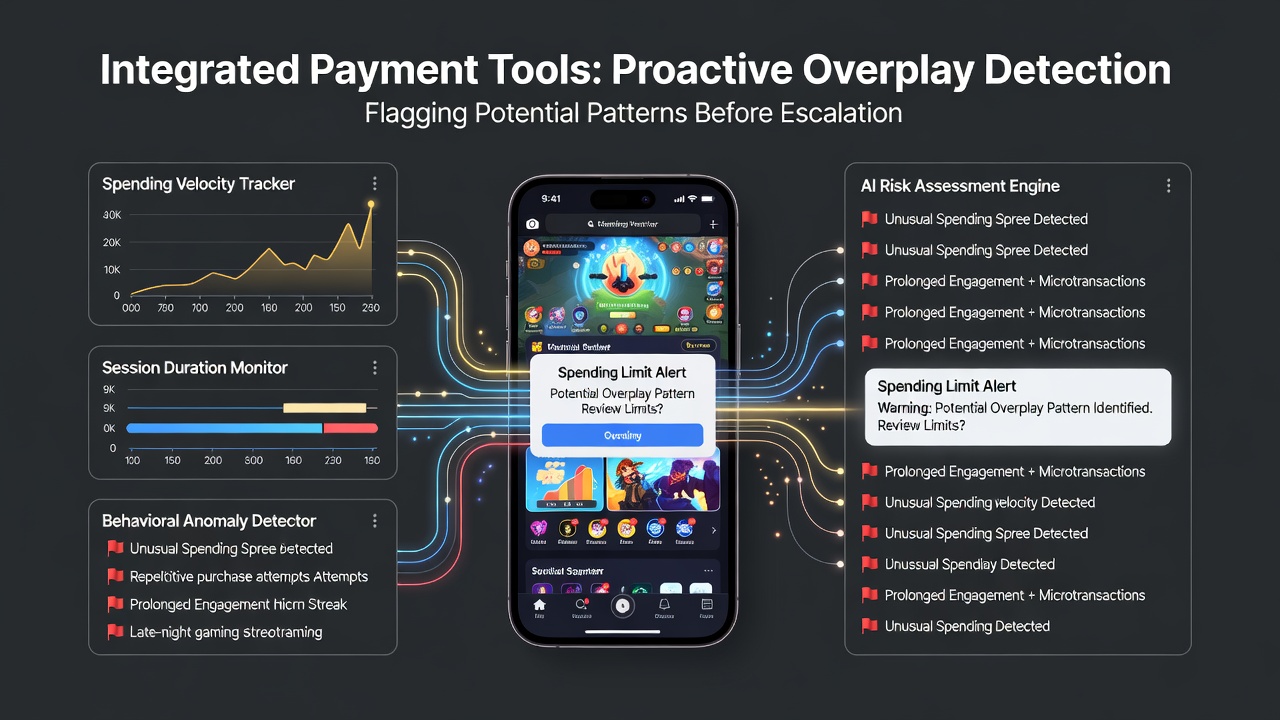
Payment gateways themselves contribute additional signals such as chargeback history and card velocity across unrelated merchants, and these external data streams integrate through secure APIs that maintain compliance with regional data protection rules. Observers note that platforms operating in multiple jurisdictions often maintain separate rule sets to align with local regulatory expectations while preserving core detection logic.
Regulatory Frameworks and Reporting Requirements
Agencies including the Nevada Gaming Control Board and various state-level bodies in Australia require operators to log intervention events and demonstrate that monitoring systems undergo regular independent audits. Reports submitted to these authorities detail the number of accounts flagged, types of actions taken, and outcomes observed over quarterly periods. Industry associations such as the American Gaming Association have published summaries showing wider rollout of these tools across mobile channels since 2024, with particular emphasis on integration timelines for new market entries.
European operators face additional obligations under national frameworks that mandate transparency reports on responsible gambling features, and payment tool data often forms the basis for those disclosures. Cross-border platforms must reconcile differing definitions of overplay indicators, which leads some providers to adopt the strictest applicable standard as a baseline across all user bases.
Technical Integration Challenges and Solutions
Developers face the task of embedding detection logic without introducing latency that disrupts gameplay flow, and solutions typically involve edge computing for initial scoring followed by centralized validation for higher-risk cases. Updates to detection models occur through phased rollouts that allow A/B testing against control groups, and performance metrics track both false positive rates and the timeliness of correct identifications. Partnerships with specialized analytics firms supply the underlying models, which operators then customize based on their specific game portfolios and user demographics.
Conclusion
Payment-integrated monitoring continues to evolve alongside advances in predictive modeling and regulatory expectations, and the combination of transaction data with behavioral signals provides operators with earlier visibility into emerging patterns. Continued refinement of these systems depends on access to aggregated datasets and consistent application of audit standards across markets.